
Ignited by Faith, Fueled by Divine Grace
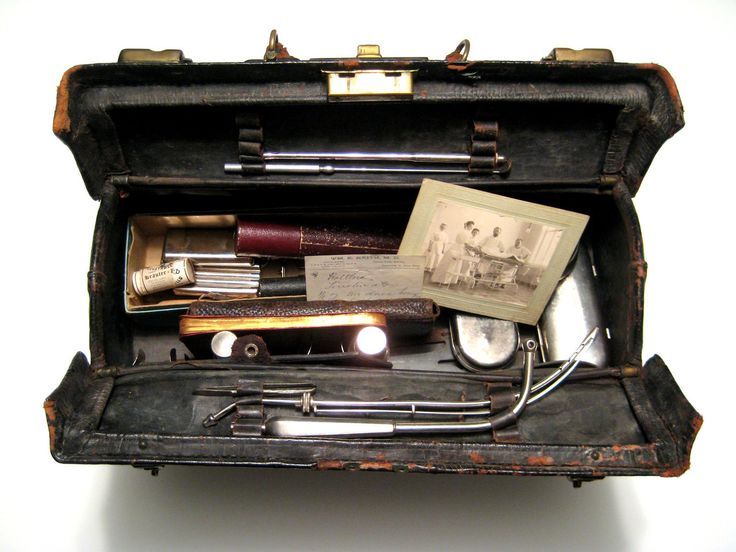
Many of us recall two familiar sitcoms, “Gunsmoke,” where actor Milburn Stone played Doc Adams, and “Marcus Welby, MD.” played by actor Robert Young. In both these shows, the actors were depicted as general practitioners. In those days, it was common for a doctor to make house calls, a practice that seems almost unimaginable in today’s world. Before leaving his office the doctor tried to ensure that their leather doctor’s bag called a ‘Gladstone Bag’ was equipped with all the necessary items they would need to successfully treat their patient. Along with the instruments, bandages and medicine they also carried a Medical Book called The Encyclopedia and Dictionary of Medicine and Nursing Book Family Physician.
As much as the doctor tried to plan ahead so that their bag would contain everything they would need to heal the individual, a Christian’s medical bag centers around, the Bible, giving us everything we need to heal those suffering from physical, emotional, and spiritual wounds. This is important because physical health is often connected to our emotional and spiritual well-being. I have come to utilize what is referred to as the Five Step Prayer Model, which serves a similar purpose, equipping us with the tools and practical knowledge needed to aid those afflicted. The following scripture shows how much salvation and healing are interconnected. “Heal me, O Lord, and I will be healed; save me, and I will be saved, for you are the one I praise.” (Jeremiah 17:14)
A doctor might explain the importance of the items in a Gladstone Bag by emphasizing the necessity of being thoroughly prepared to address various medical issues. In much the same way, Christians must ensure they are equipped with the necessary spiritual understanding to treat patients suffering from multiple scenarios regardless of their condition. For example, antiseptics and needles for sutures allow a doctor to promptly address wounds, reducing the risk of infection and accelerating the healing process. Taking a person through prayer to break the effects of unforgiveness is important as it helps to rid the person of bitterness, rage as well as other symptons. Similarly, in Ephesians 4:31-32 a person can, “Get rid of all bitterness, rage and anger, brawling and slander, along with every form of malice. Be kind and compassionate to one another, forgiving each other, just as in Christ God forgave you.”
Some people balk at following a model, however I have found that if most people are left to themselves they will spend so much time either socializing or on things that have little to do with ministering healing that before they realize it the person will have to leave, often receiving only a blanket prayer. I received Jesus in the early 80’s through a model called ‘Evangelism Explosion’. This model was and still is an excellent example of a model for salvation that keeps you focused and on track in leading someone to Jesus.
A doctor’s explanation for the purpose of the Gladstone Bag can be much the same as the components of the Five Step Prayer Model (FSPM). The first thing is to invite the Holy Spirit to be present and guide each step. The next is how to be an empathetic listener. Nothing speaks to a patient louder than being sympathetic to their needs by giving them your undivided attention. Just as antiseptics clean wounds to prevent infection, empathetic listening helps to cleanse emotional wounds, preventing the infection of bitterness and anger from taking root.
1) Jesus healed the sick, Matthew 4:23.—2) The twelve were assigned by Jesus to heal the sick Matthew 10:1, 5, 7-8.—3) The seventy were assigned to heal the sick. Luke 10:1-2,9—4) All believers are a part of the Great Commission and commanded to heal the sick. Mark 16:15-18. Each of the five steps found in the model will attempt to give you an answer to questions about the sick person’s condition. Such as: What is the condition? What is its cause? How should we pray? When should we cease praying? What can a person do to continue in good health?
Mirroring The Great Physician: Our Spiritual Toolkit
Step one—the interview: Asking questions is crucial so you can discover what the person has and how you should pray. What is your name? What would you like prayer for? How long have you had this condition? Have you ever seen a doctor and what did they tell you? Has anyone in your family suffered from this same condition? This is where you determine, from the interview, whether the patient is suffering from a physical, emotional, or spiritual problem or a combination of all these. We need to listen on two levels; one is the natural and the other is the supernatural level.
Step two—the Prayer Selection: Based on the information gathered in the interview you can select the type of prayer to use, either a Petition or a Command Prayer. A petition prayer is a request to heal, addressed to God, Jesus, or to the Holy Spirit, such as, ‘Holy Spirit , come and touch this knee with your healing power. A command prayer is addressed to a condition of the body such as, ‘In the name of Jesus I command this tumor to shrivel up and dissolve’, ‘In the name of Jesus, I command this leg to grow’.
Step three—the prayer Ministry: Pray, then stop and check the results. It is good to ask the person before you begin if they are feeling any pain so that when you stop you can have a way of measuring how much the pain has lessoned or if it has stopped completely. The secret to the success of our healing prayer is that we come into agreement with the will of God. The apostle John wrote, ‘that if we ask anything according to his will, he hears us.’
Step four—prayers’ effectiveness: This is where you check to see if their condition is partially or totally healed. This will determine whether you need to re-interview them and ask additional questions in order to gather more information, which leads to more effective prayers. If the pain moves or increases it is usually the sign of the presence of an afflicting spirit.
Step five—post-prayer directions: The last step answers the question, ‘What should a person do if they are healed or they are not healed?’ It is not uncommon for a person to receive directions from a doctor on how to care for themselves once they leave a hospital or doctor’s office. In the same way it is imperative that we offer some suggestions on caring for their healing so they will not become re-infected and either lose their healing or their condition worsens. Just as a doctor’s Gladstone Bag represents a commitment to physical health, the Bible also symbolizes a dedication to nurturing physical, emotional and spiritual well-being. By equipping ourselves with these tools, we become able healers in our own lives and in the lives of others, capable of transforming the pain and suffering into growth, healing, and, ultimately, peace. Always asking in the name of Jesus and with His power and authority.
Heavenly Father, we come before You today, seeking healing and wholeness in every area of our lives. We recognize that You are the Great Physician, capable of restoring us completely—body, mind, and spirit. We pray for Your healing touch to be upon those you place before us, bringing comfort to those in pain, peace to those who are troubled, and strength to those who are weak. In Jesus name, we pray, Amen.
If you have been blessed by our articles and know of someone who would benefit from receiving ‘Keys to Kingdom Living’ please forward this article onto them. Or simply tell them to go to our web site, http://www.klifemin.org and scroll down the right side of the page and click on which method they would prefer receiving their copy of the newsletter.
We also appreciate your letting us know if you enjoyed it as well so either bless us with a comment or hit the ‘like’ button.
Leave a Reply